

A dual battery setup adds a secondary auxiliary battery to your vehicle, connected through an intelligent battery management system that monitors charge levels and automatically switches power between batteries. When your engine runs, a dedicated alternator or smart charging module tops up both the main battery and the auxiliary battery simultaneously. The system isolates the auxiliary battery from the starter circuit, ensuring your engine always has enough power to crank, while the secondary battery powers your camping and off-road accessories independently.
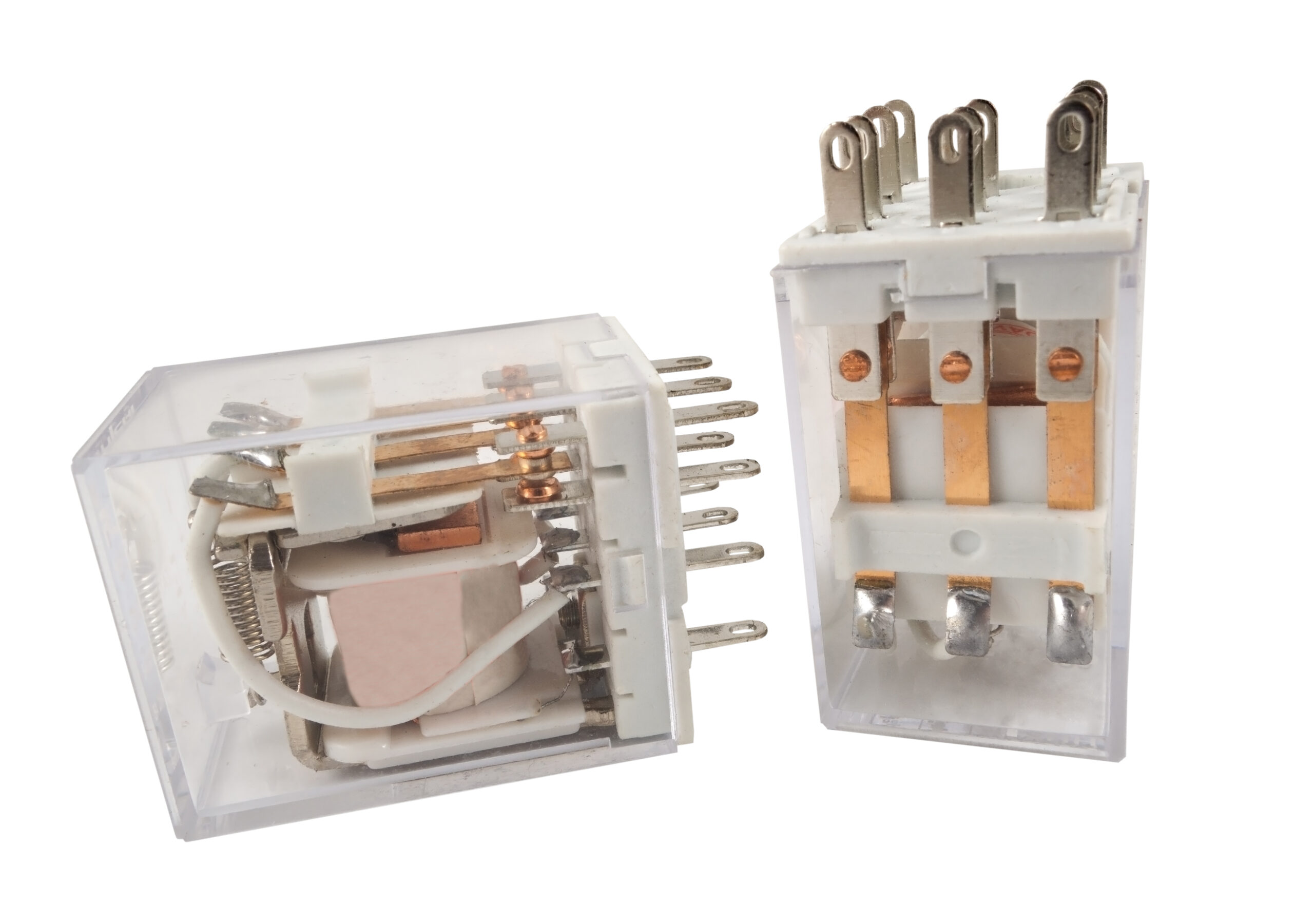
The key component is a battery isolator or split-charge relay, which prevents the auxiliary battery from discharging into the starter battery when the engine is off. This means you can run a fridge, lighting, GPS, and other essentials throughout the night or during extended remote camping without risking a flat battery that prevents you from starting your vehicle. For modern vehicles and serious off-road setups, a Battery Management System (BMS) or DC-DC charger provides intelligent voltage regulation and faster auxiliary battery charging, especially important for lithium batteries.
A dual battery system transforms your 4WD or camper trailer into a self-sufficient basecamp, powering the essentials that make off-road trips comfortable and safe. Portable fridge-freezers are the most popular accessory—maintaining food safety during weeks in remote Yarra Ranges locations. LED lighting systems, including interior cabin lights and external work lights, draw significant power but are essential for safety and visibility at camp. Many adventurers also run 12V compressors for air-suspension systems, USB charging hubs for devices, water pumps for camping showers, and navigation systems.
Other common high-drain accessories include electric winches (though these typically need their own dedicated battery), inverters for AC power tools, heated seats and blankets for colder mountain evenings, and satellite communication devices for staying connected in dead-zone areas. The beauty of a dual battery setup is that you can operate all these simultaneously without worrying about draining the battery needed to start your engine. This reliability is crucial when you're camped 50 kilometres from the nearest town—a flat main battery in remote territory becomes a serious problem.
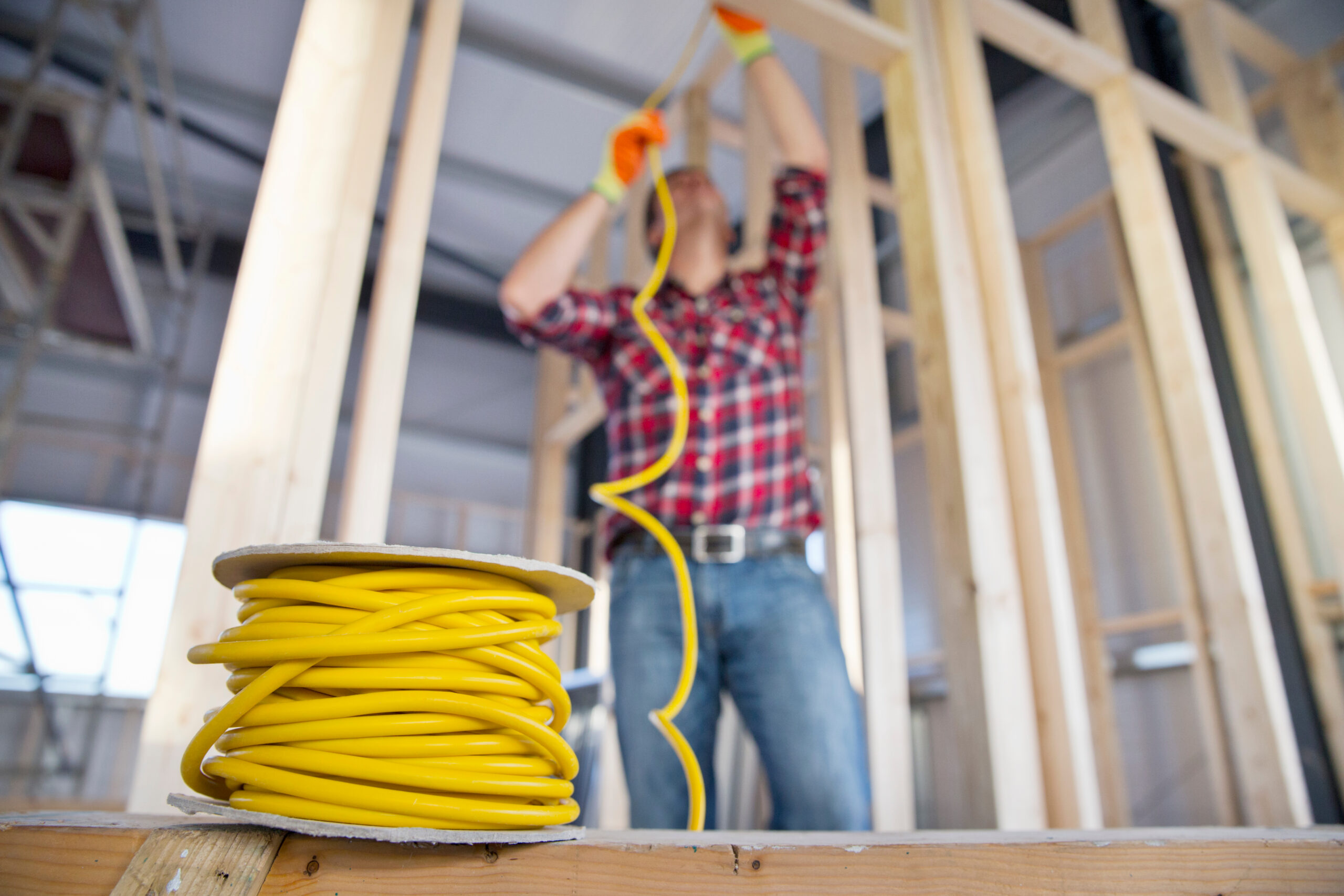
Professional installation through a specialist like Melbourne Prestige in Lilydale, Chirnside Park, or Mt. Evelyn ensures your dual battery system is engineered for your specific vehicle and power demands. Technicians perform a power-draw audit of your accessories, calculate required battery capacity, choose appropriate battery types (lithium, AGM, or lead-acid), and install heavy-gauge wiring with properly sized fuses and isolators. They also programme Battery Management Systems to work optimally with your vehicle's existing electrical architecture—a critical step many DIY installers overlook, which can void warranties or damage expensive modern vehicle electronics.
DIY installation appeals to budget-conscious adventurers but carries serious risks: incorrect wiring gauges create fire hazards, improper fuse sizing can fail to protect circuits, and undersized batteries won't provide the power capacity you calculated for. Professional installers handle all safety certification and warranty considerations, plus they've diagnosed common failure points in 4WDs and camper trailers around the Yarra Ranges environment. A professionally installed system typically costs between $1,500–$4,000 depending on battery type and accessories, but protects your investment and your safety during remote adventures. If you're confident in electrical work and have experience with vehicle systems, a DIY approach is viable—but professional installation removes guesswork and ensures peace of mind 100 kilometres into the bush.
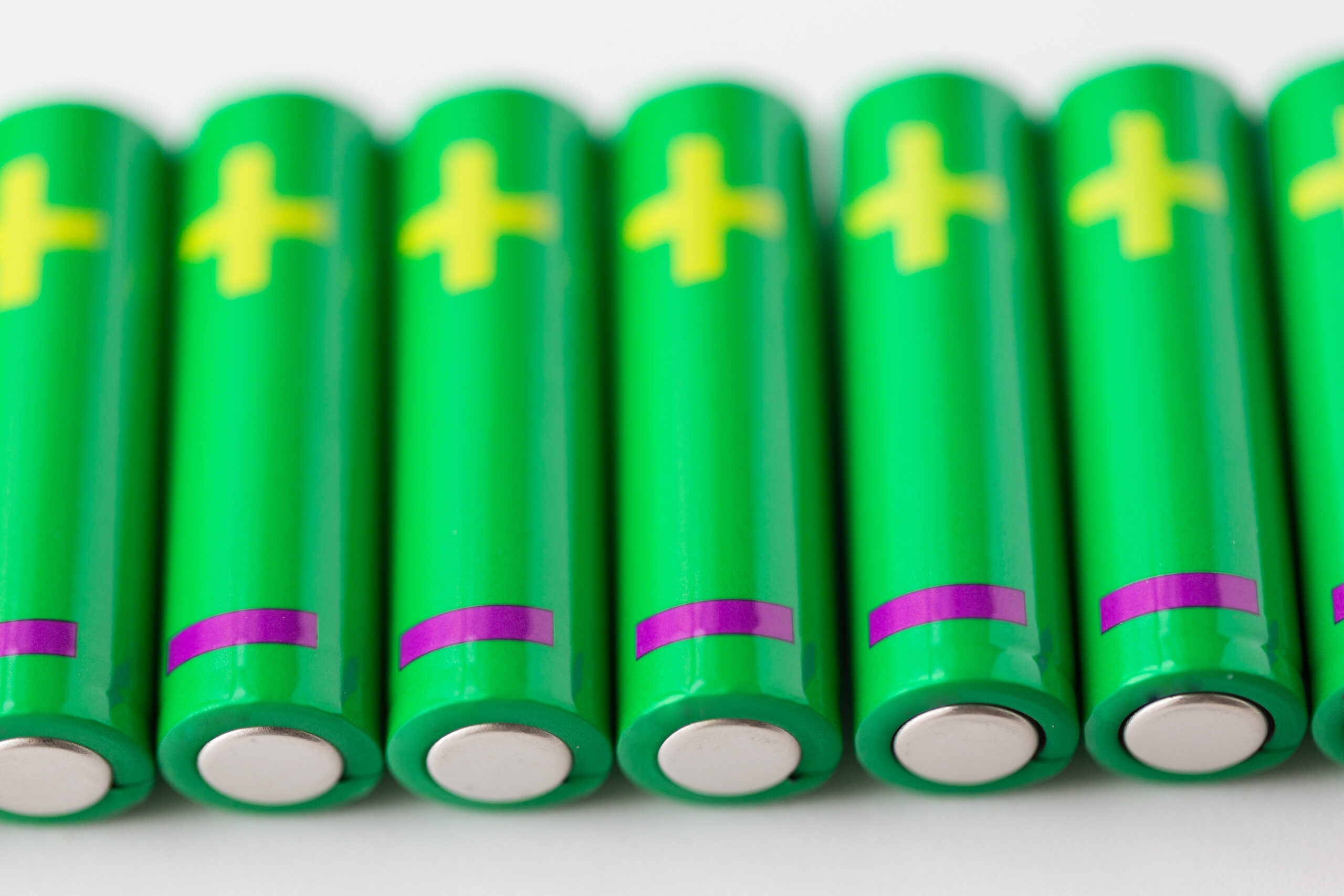
Battery selection depends on your power demands, available space, and budget. Traditional lead-acid batteries (flooded or sealed AGM) are affordable and widely available across Lilydale and the surrounding region, offering good capacity at lower cost but requiring more space and regular maintenance. Lithium Iron Phosphate (LiFePO4) batteries have become the premium choice for serious adventurers—they're lighter, compact, charge faster, and deliver usable capacity more efficiently, though they cost significantly more upfront. Lithium batteries also tolerate deep discharge cycles better, meaning you can safely drain them to 20% charge without degradation, whereas lead-acid batteries should rarely drop below 50%.
Capacity is measured in amp-hours (Ah)—a 100Ah battery can theoretically supply 5 amps for 20 hours or 10 amps for 10 hours. Calculate your daily accessory power draw: a 50-litre fridge uses roughly 50–60Ah daily, LED lights might use 5–10Ah, and USB chargers another 5Ah. Most remote campers in the Yarra Ranges benefit from 100–200Ah auxiliary capacity, allowing multi-day off-grid trips without returning to town to recharge. Professional installers can model your actual power requirements and recommend capacity based on your typical trip length and seasonal conditions, ensuring you invest in the right system rather than buying oversized batteries that drain your vehicle's handling and fuel efficiency.
Designed & Developed by CJ Digital


