
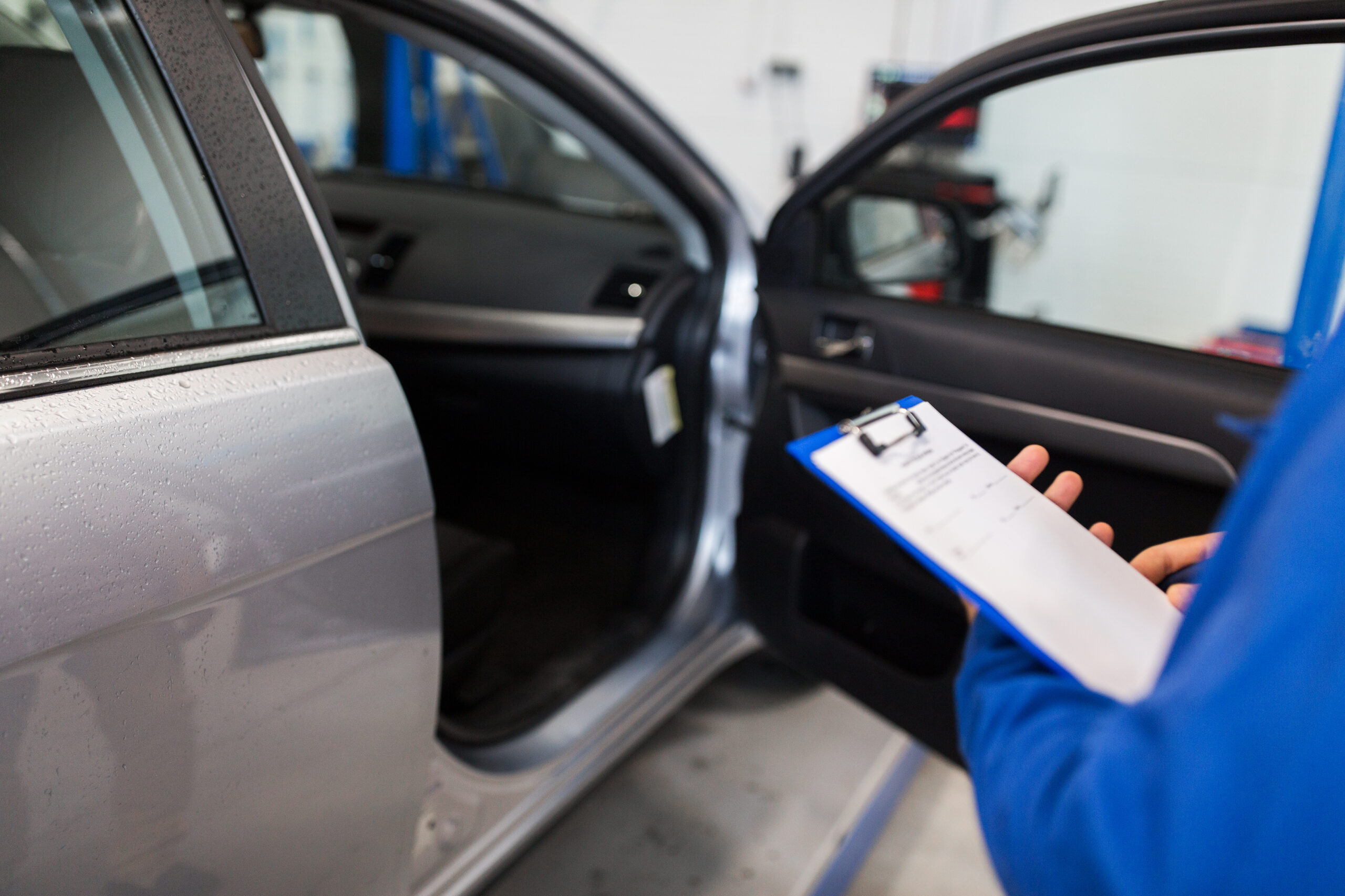

Logbook servicing refers to following the manufacturer's recommended service intervals as documented in your vehicle's service logbook. This schedule outlines exactly when your car needs maintenance based on either time intervals (such as every 6 months) or distance intervals (such as every 10,000 kilometres). Each completed service must be recorded and stamped in the logbook to maintain a complete maintenance history.
Modern vehicles are engineered with specific service requirements that protect engine performance, safety systems, and component longevity. Skipping services or delaying maintenance can lead to premature wear, reduced reliability, and most critically, warranty voidance. The logbook serves as proof that you've upheld your end of the warranty agreement with the manufacturer.
Manufacturers design warranty terms around the assumption that vehicles receive timely, regular servicing. When you purchase a new or used car under warranty, the dealer and manufacturer expect you to maintain the vehicle according to the logbook schedule. If a component fails and you haven't completed required services, the manufacturer can deny your warranty claim, leaving you responsible for expensive repairs.
For example, if your transmission fails at 50,000 kilometres but you haven't had your fluid serviced at the recommended 40,000-kilometre mark, the manufacturer may refuse coverage. Similarly, engine damage from neglected oil changes or cooling system failures from skipped radiator flushes can all void warranty protection. By keeping your logbook current and properly stamped, you maintain proof of compliance and preserve your right to warranty claims when genuine defects occur.
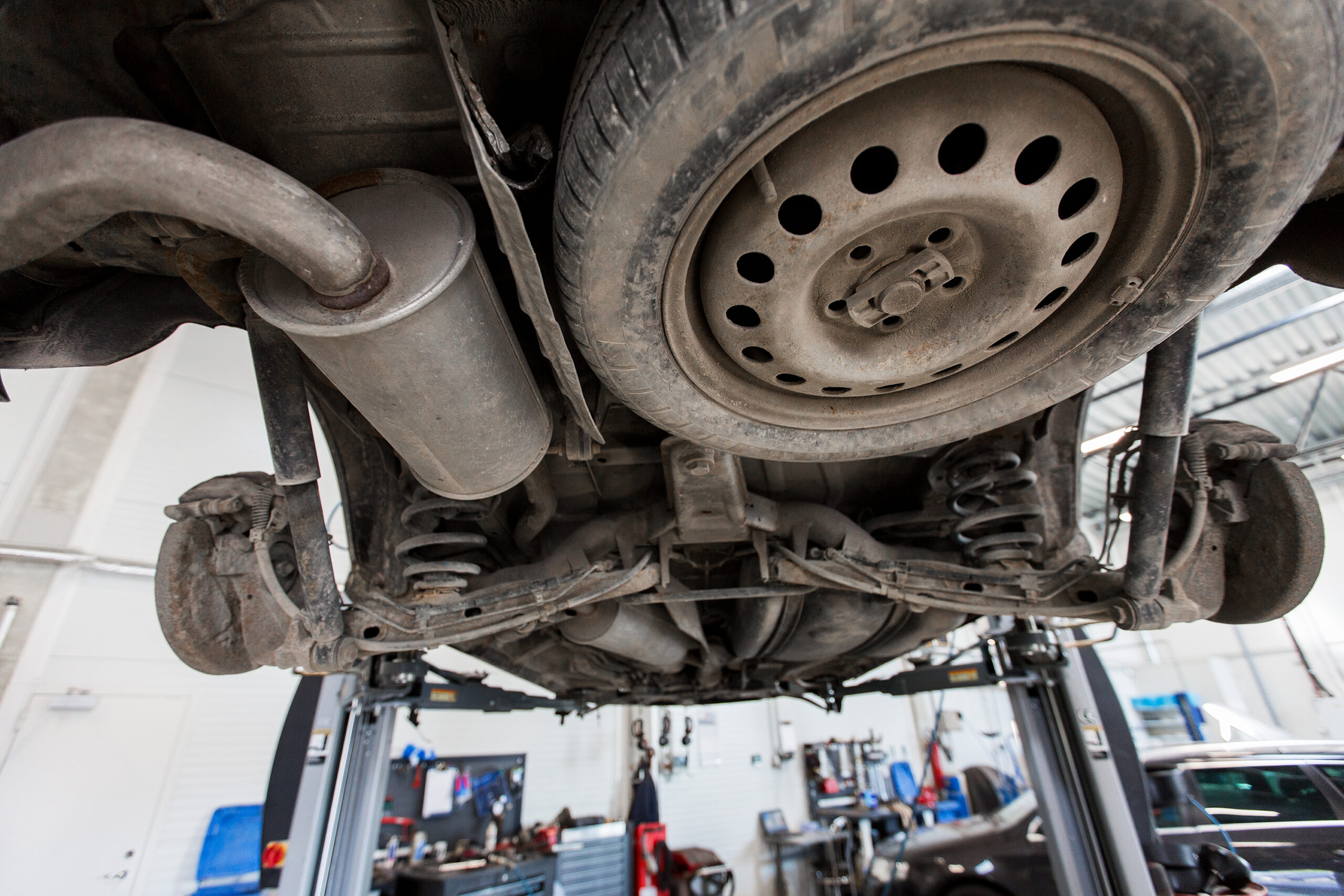

One of the biggest misconceptions about logbook servicing is that only the selling dealership can perform services and provide valid stamps. This myth drives unnecessary costs and limits your service options. In reality, any qualified, licensed mechanic—including independent workshops—can service your vehicle and stamp the logbook, provided they use genuine or equivalent quality parts and follow manufacturer specifications.
Melbourne Prestige and other independent workshops across Lilydale, Chirnside Park, Mooroolbark, and the wider Yarra Valley region hold the qualifications and industry knowledge to perform logbook servicing that is fully recognised by manufacturers and warranty providers. The key is choosing a workshop with experienced technicians, proper diagnostic equipment, and a commitment to using appropriate parts. As long as the service is documented correctly with date, mileage, and work performed, your warranty remains valid—no dealership stamp required.
Dealership servicing can cost significantly more than independent workshops, often charging premium labour rates and parts markups. By choosing a reputable independent workshop like Melbourne Prestige in Lilydale or nearby suburbs such as Coldstream, Wandin, and Mt. Evelyn, you can reduce logbook servicing costs by 20–40% while maintaining full warranty compliance. These savings accumulate quickly, especially over the life of your vehicle's warranty period.
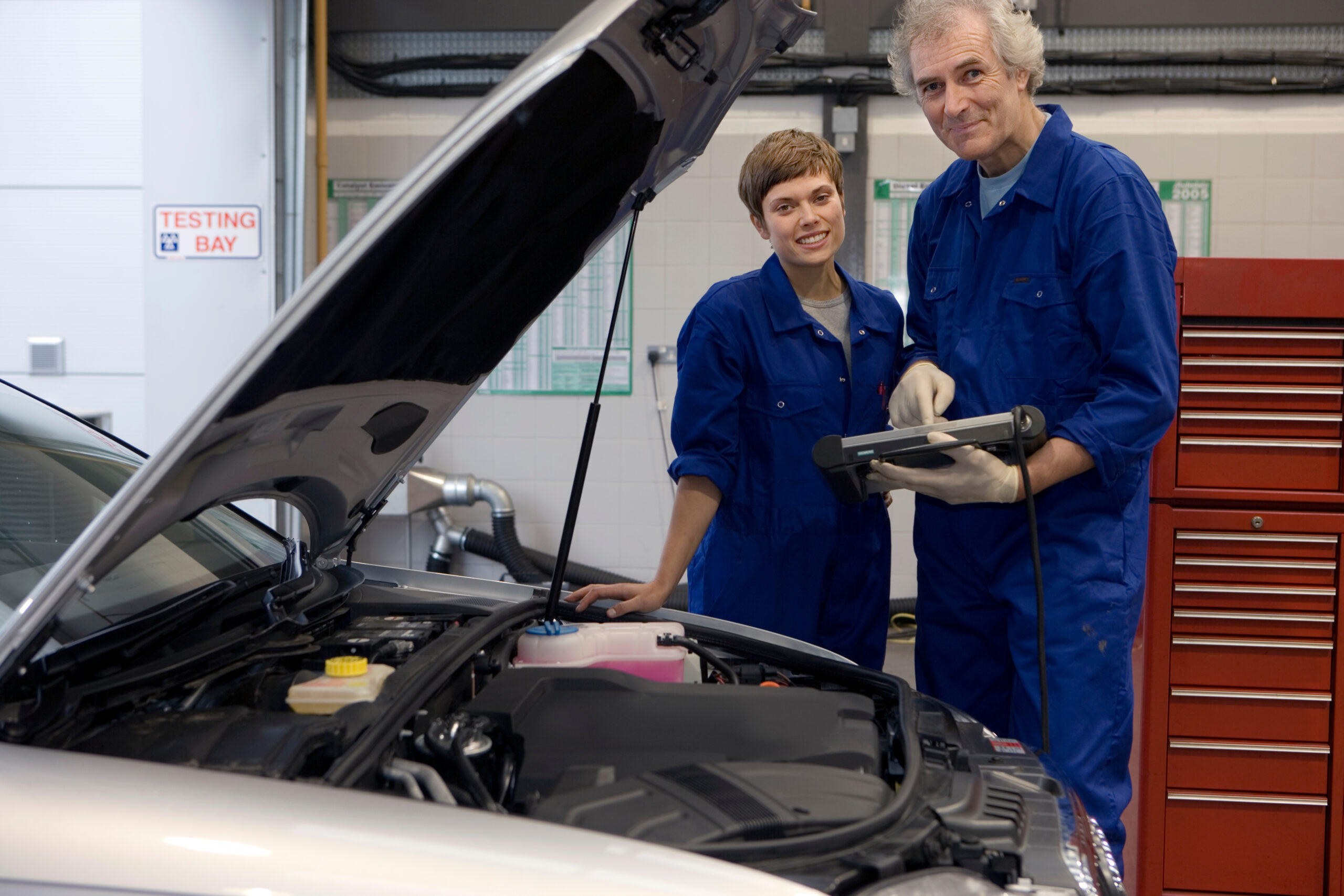
Independent workshops invest in the same diagnostic tools, training, and parts availability as dealerships, but without the large overhead costs passed on to customers. Whether you're servicing a standard vehicle, an EV, hybrid, or a vehicle with dual battery setups, choosing a local independent mechanic provides transparent pricing, personalised service, and the peace of mind that your warranty remains protected. The logbook is the proof—not the location where the service occurs.
Designed & Developed by CJ Digital


